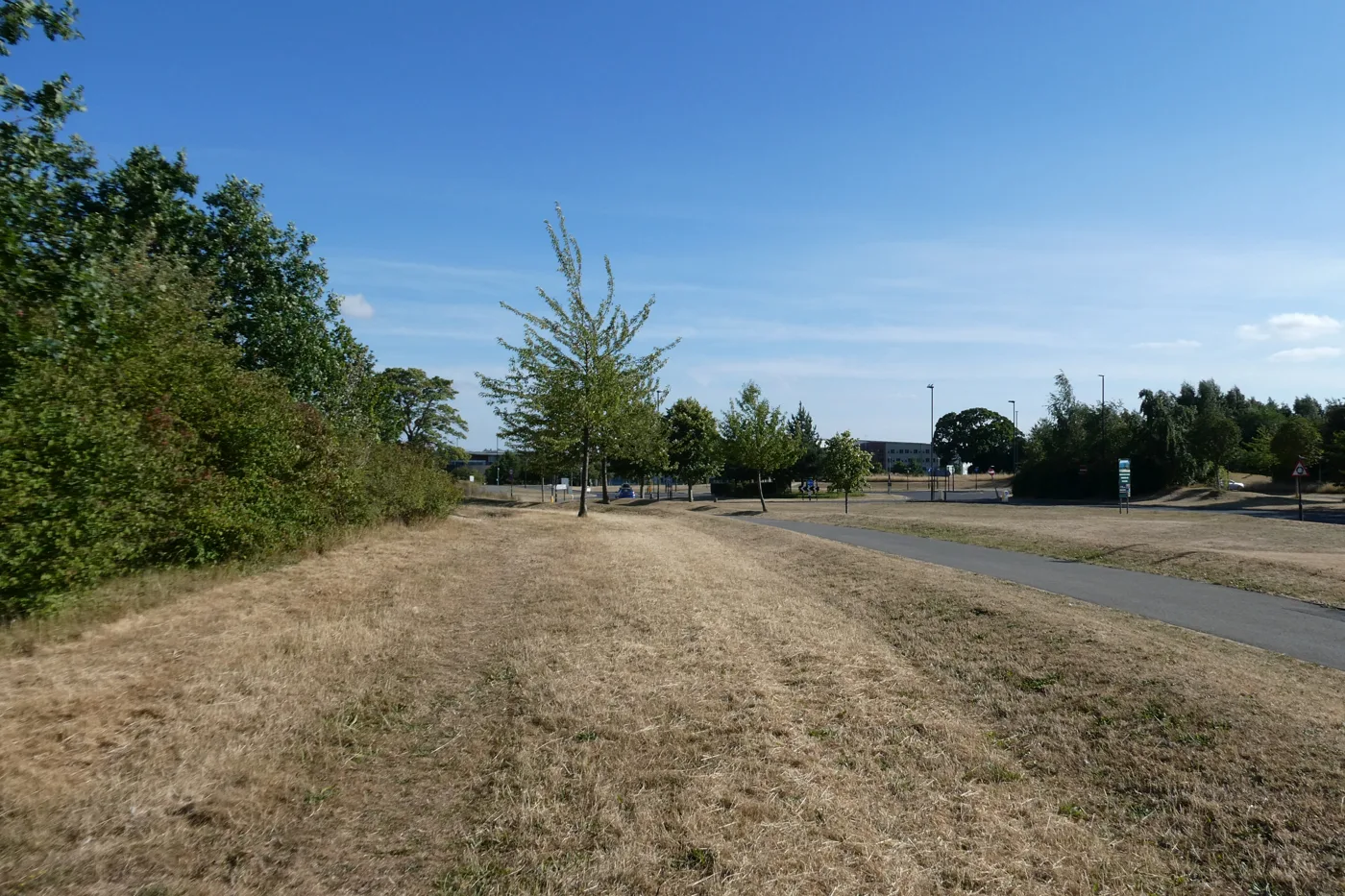

York will let community groups look after grass verges in a six-month trial, and it admits missing some areas in its first in-house weed spray this year.
York residents will be able to apply to look after a grass verge or planter on their street. City of York Council plans to trial the process over the next six months.
The plan is in a public realm report noted at an Executive Member decision session on 3 November. The decision can be called in until 10 November.
The same report admits that some streets were missed when the council brought weed spraying in-house this year.
How verge adoption would work
A group or a local councillor contacts the council’s Environment and Community Officers with a spot in mind. To qualify, the site must:
- be owned by the council
- be on a road with a speed limit of 30mph or less
- be at least 1.5 metres from the carriageway
The group then has to:
- complete a risk assessment
- agree a programme of work with the officers
- keep pavements and roads clear at all times
- dig no deeper than 200mm at first, and stop and tell the council if a cable or pipe turns up
Utility surveys are free during the trial. Groups work at their own risk, and the report warns that any later utility work could disrupt what they have planted.
Weed spraying: the mistakes and the plan
An outside contractor sprayed York’s highway weeds for almost two decades. In 2026 the council took the job in-house as a trial, at a cost of £40,000 in extra budget.
The report says there were lessons learnt “around adoption of highway meaning some areas were missed by mistake during spray 1”.
Two sprays worked in most areas, it says. Weed growth between sprays was worse in three places, which may get extra targeted treatment:
- South Bank
- The Groves
- the Leeman Road area
The first spray ran from late March to early May, and the second from August to October.
The council will keep the work in-house, with two sprays a year citywide. It also promises to publish start and end dates for each ward in advance, weather and staffing permitting. Areas can opt out if they keep the weeds down by hand and the pavements stay accessible. The report notes that some areas which opted out later asked to be sprayed again.
It says glyphosate “remains the only affordable option”. A 2021 trial found the nonanoic and acetic acid alternatives ineffective.
Other changes in the report
- Grass cutting: urban verges stay at about six cuts a year, with a target height of 15cm. Rural verges get two cuts.
- Bedding plants: more beds move to low-water planting. Possible sites include Bootham Stray, Nunnery Lane, Jubilee Terrace and Monk Bridge Landing.
- City walls: this year’s Station Rise wildflowers bloomed from May to July, but heat and drought hit the later species. The mix will change to more native perennials.
- Green Flags: Hull Road Park won the award for the first time in 2026. Rawcliffe Country Park’s application stays on hold until the Environment Agency’s flood works finish, with a new bid expected in 2028.
What it means for you
- Want to adopt a verge? Talk to your ward councillor or your Environment and Community Officer. The report does not give a start date or an application form yet.
- Weeds on your street? Report missed areas to the council. You are also free to weed the pavement outside your home.
- Live in South Bank, The Groves or near Leeman Road? Ask your ward councillor about the extra spraying, which is not yet confirmed.
Have your say