
Frederick House and a Heslington chemistry block have applied for 702 rooftop panels, and the Railway Museum wants an array. Updated November 2026.
Three of York’s bigger buildings have asked to put solar panels on their roofs. Two of the applications alone cover 702 panels, and all three are waiting for a decision on the council’s planning register.
The three applications
| Building | Reference | What is planned | Council deadline |
|---|---|---|---|
| Block C, Chemistry Department, Alcuin Way, Heslington | 26/01694/SOLAR | 386 panels, 174kWp | 24 November |
| Blocks B to D, Frederick House, Fulford Road | 26/01908/SOLAR | 316 panels, 145.36kWp | 20 December |
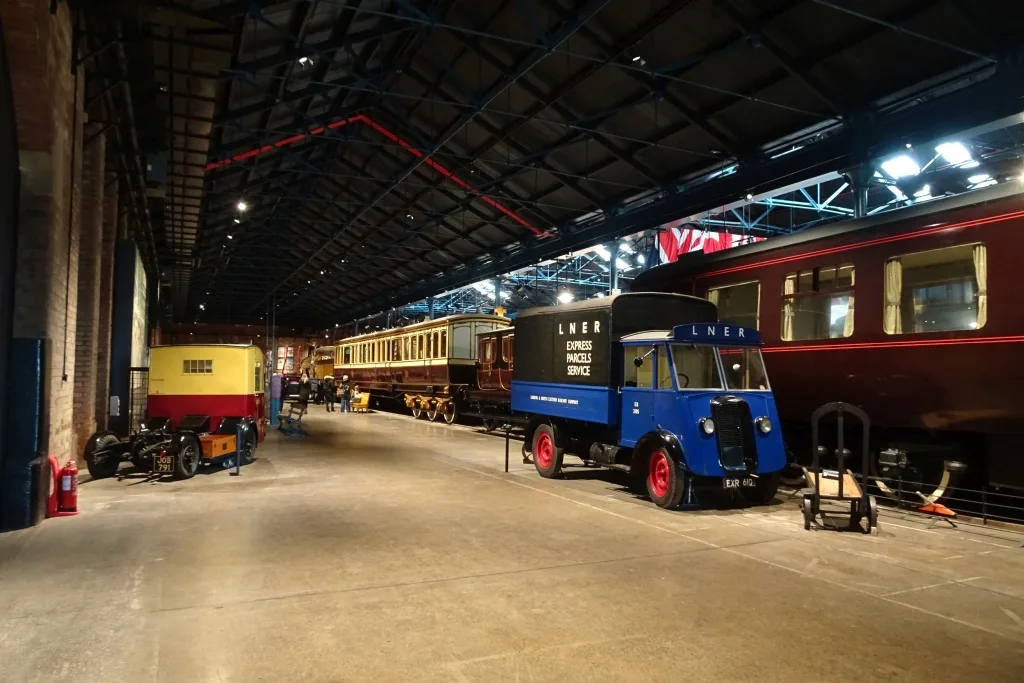
| National Railway Museum, Leeman Road | 26/01813/FUL | Solar array and roof refurbishment | 29 December |
The two “SOLAR” applications use permitted development rights for rooftop panels, under Schedule 2, Part 14, Class J of the planning rules. The museum’s is a full application, because it also covers work to the existing roof, steelwork and cladding. It was only validated on 3 November, and its documents were not yet on the register when we checked. So we do not know how many panels it involves or which roof they would go on.
What the Frederick House figures show
The application form describes Frederick House as purpose-built student accommodation and names Greystar as the company. It is the only one of the three with a published costing, in the installer’s proposal:
- a system price of £168,975, excluding VAT
- about 106,148kWh of electricity a year
- estimated savings on energy bills of £10,039 a year
On those figures, the panels would take about 17 years to pay for themselves before VAT. That sum is ours, not the installer’s.
The council’s own energy schemes
The applications arrive as the council spends grant money on two bigger ideas. Both contracts were signed off by the Director of City Development in late October, and both are paid for by the York and North Yorkshire Combined Authority rather than the council.
- Harewood Whin: Arcadis gets £200,000 to write the full business case for a solar farm on the former landfill site. The work takes nine months.
- City centre heat network: Arup gets up to £200,000 for a study of whether a network is feasible. The work takes ten months.
Neither one commits the council to building anything. They are designed to tell it whether it should.
What it means for you
The register marks all three applications as open for comments. You can read them and respond through the reference links above. The National Railway Museum runs its Christmas programme from 12 November.
Sources
- City of York Council planning register: 26/01694/SOLAR
- City of York Council planning register: 26/01908/SOLAR, with the application form and installer’s system proposal
- City of York Council planning register: 26/01813/FUL
- Officer decision: Harewood Whin full business case
- Officer decision: York city centre heat network study
Have your say